The first-night box: what to pack so night one isn't a scavenger hunt
One box per person, packed last, loaded last and carried in by you. Everything you need from the moment the truck leaves until you're ready to unpack the rest.

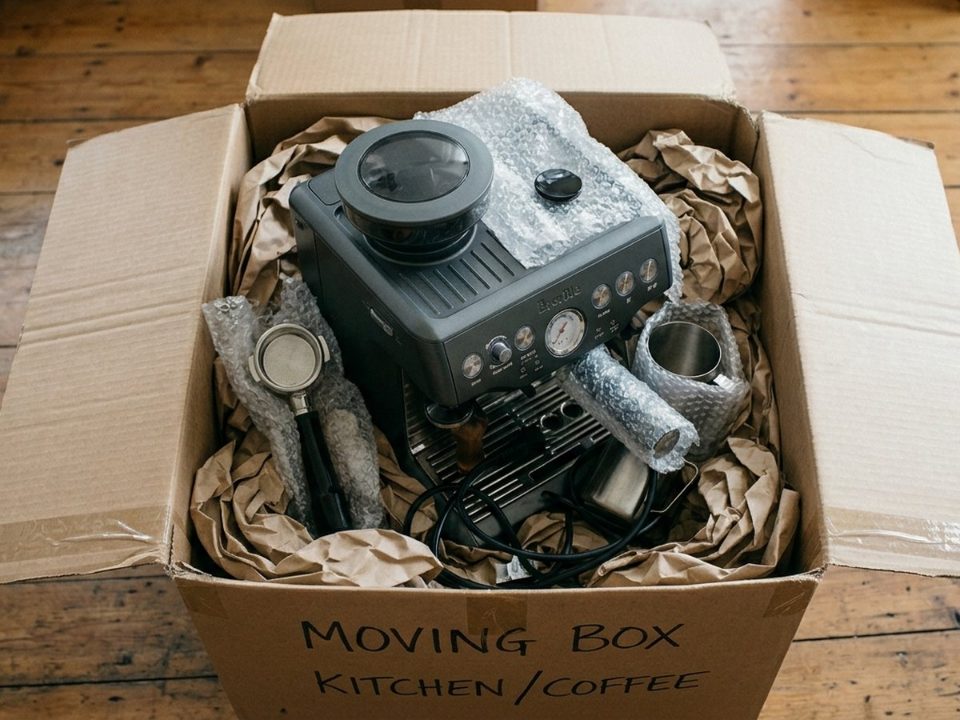
The first night in a new home goes wrong in a predictable way. The movers leave at 7 p.m., everyone is tired and hungry, and the phone is at 4 percent. The charger is in a box. The sheets are in a box. The box cutter you need to open the boxes is, inevitably, in a box. Two hundred boxes, all marked KITCHEN or MISC, and none of them is the one you want.
The fix is old and simple: one first-night box (also called an open-first box or essentials box) that holds everything for the first 24 hours, packed last, loaded last, and carried into the new place by you. Here's how to build one that actually works. If you're earlier in the move, start with the 6-week moving checklist and our packing hacks.
Pack one per person, plus one for the house
A single family essentials box ends up as a jumble nobody can find their toothbrush in. Give each person a small box or a duffel with their own night-one kit, and add one shared "house" box for the things everyone uses: toilet paper, soap, paper towels, trash bags, a few plates and cups, a pan, a kettle or coffee maker, and the tools in tip 3. Small boxes matter here: an essentials box should be light enough for one person to carry from the car to the bedroom without help.
Medications and glasses go in your bag, not a box
Prescription medicine, glasses, contact lens supplies, an inhaler, an EpiPen: these never ride in the truck and never go in a box that might get stacked under twenty others. Keep them in the bag you carry. Ready.gov's emergency-kit list makes the same call for the same reason, putting prescription medications, glasses and important documents in the go-kit, because a disruption can make refills hard to get. Pack a week's worth, not a night's, in case delivery slips.
The toolkit: box cutter first
The single most-packed-by-mistake item on moving day is the box cutter. Put two in the house box (one will vanish), along with a screwdriver set, the bag of bed-frame bolts and the Allen key that came with the furniture, scissors, a flashlight, a roll of tape and a power strip. If you take a bed apart, tape the hardware bag to the headboard and put the Allen key in this box. One of the two will make it.
Chargers, cables and the Wi-Fi gear
Chargers for every phone, a laptop charger, a battery pack, and the cable for whatever runs the house (router, baby monitor, a CPAP). If your internet installation is booked for move-in day, the modem and router ride with you, not in the truck, along with the account number. Wind each cable and put it in a labeled zip bag so the box doesn't become a nest.
Make the beds before you do anything else
Sheets, pillowcases, a blanket and a pillow for each bed go in the first-night box, not in the linen boxes with everything else. Bed frames go into the truck last so they come off first. Then make the beds before you start unpacking anything: at 11 p.m. a made bed is the difference between a rough night and a terrible one. For babies, set up the crib or play yard first, and keep it bare. The American Academy of Pediatrics' safe-sleep guidance is a firm, flat surface with a fitted sheet and nothing else in it: no pillows, blankets, bumpers or stuffed toys, even on a chaotic night.
One bathroom, fully working
Toilet paper (two rolls, it's always two), hand soap, a towel per person, toothbrushes and toothpaste, shampoo, a shower curtain and rings if the new place doesn't have one, a plunger, and any personal care items. Shower curtains are the classic forgotten item: you discover the rod is empty only when you're already wet.
Food that needs no kitchen
Plan night one as if the kitchen doesn't exist, because mostly it won't. Snacks, a few breakfast items, bottled water, paper plates, a knife, a can opener, and a coffee setup that works without hunting (yes, the espresso machine can get its own box if that's what mornings require). If you're moving refrigerated food a short distance, a cooler works, but the FDA's line is that cold food must stay at or below 40°F, so pack only what you'll eat in the first day or two.
Documents and valuables ride in the car
The folder with your lease or closing papers, IDs, passports, birth certificates, insurance policies, the moving contract and bill of lading, keys to the new place, checkbooks, jewelry and anything irreplaceable: all of it goes in your car or carry-on, never on the truck. FMCSA's guidance to consumers notes that interstate movers can limit their liability for items of "extraordinary value" (more than $100 per pound, such as jewelry) unless you list them on the shipping documents. The simpler answer is to carry them.
A kit for each kid and each pet
Kids get their own first-night box, packed with them: pajamas, the stuffed animal, the night-light, a favorite book, a few toys and their toothbrush. Familiar things at bedtime do more than any pep talk. Pets need their own kit too: food, bowls, litter and a litter box, leash, medications, a bed or blanket that smells like home. The ASPCA recommends keeping pets in a quiet room with the door shut on moving day, so pack the kit to set up that room first.
Label it so nobody else unloads it
Mark every first-night box on all sides, in a color no other box uses, with the words FIRST NIGHT or OPEN FIRST and the room. Better still, keep these boxes out of the truck entirely: they go in your car, and they're the last things you load. If they must go in the truck, they go in last so they come off first, and you carry them in yourself. Before you leave, test the smoke alarms in the new place: the U.S. Fire Administration says battery-powered alarms should be tested monthly and replaced every ten years, and a new house's history is unknown.
How MoveBuddy helps with the first night
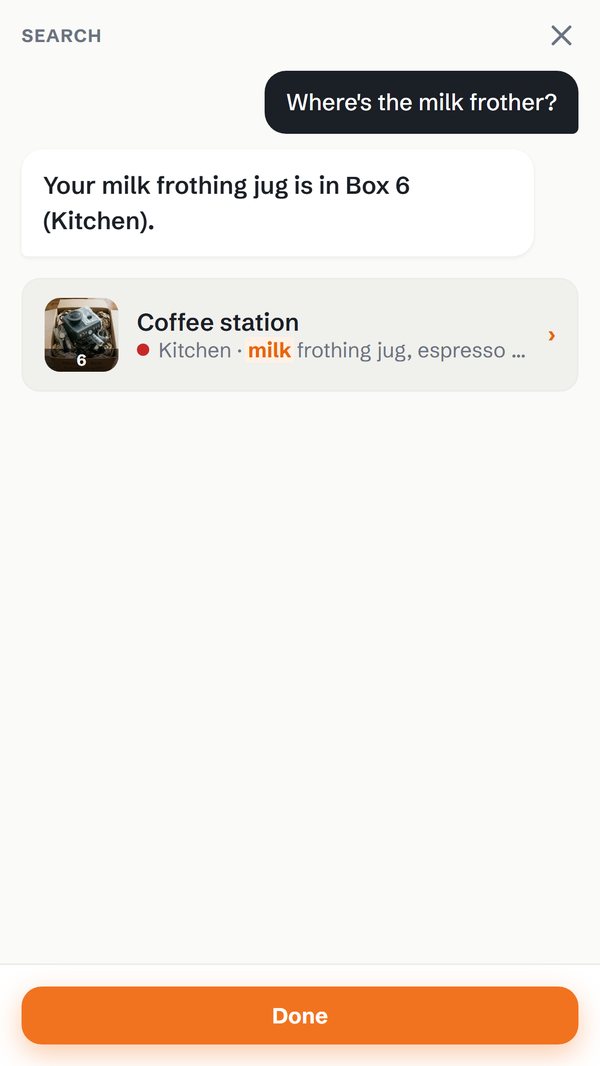
- Find it without opening everything. Snap each box as you seal it; the AI lists the contents, and "where's the charger?" gets a box number and a room.
- Name the box what it is. "First night: Maya" or "Kitchen: coffee" beats MISC, and the room it belongs to is on the box record.
- Door signs and a room manifest. Print a sign for each room with its box numbers, so first-night boxes land in the right bedroom.
- Everyone sees the same move. Share it with family by QR or a join code, so whoever packed the bathroom box isn't the only one who knows where it went.
Free to start on iPhone and Android: your first boxes and AI snaps are on us, and you only pick a move pack when the real packing begins.
The first-night box checklist
Print it, stick it on the bin, tick it off. One page.
- Prescription meds (a week's worth), glasses, contacts, inhalers: in your bag
- One small first-night box or bag per person, one per pet, one for the house
- Two box cutters, screwdriver, bed-frame bolts and Allen key, flashlight, tape, power strip
- Phone and laptop chargers, battery pack, router and modem if installing on day one
- Sheets, pillow and blanket for each bed; crib or play yard set up bare
- Toilet paper, soap, towels, toothbrushes, shower curtain and rings, plunger
- No-cook food, water, paper plates, can opener, coffee setup
- Documents, keys, IDs, bill of lading, jewelry and valuables in the car
- Kids' bedtime kit: pajamas, night-light, stuffed animal, favorite book
- Pet kit: food, bowls, litter, leash, meds, bed; one quiet room set up first
- First-night boxes marked on all sides in their own color; loaded last
- Smoke alarms tested on night one
From “The first-night box: what to pack so night one isn't a scavenger hunt” — https://movebuddy-ai.com/blog/first-night-box · MoveBuddy AI
Questions people ask
What should be in a first-night box?
Medications, glasses, chargers, sheets and a pillow per bed, towels, toilet paper, soap, toothbrushes, a change of clothes, a box cutter and basic tools, snacks and water, a coffee setup, and the kids' and pets' bedtime items. Documents and valuables travel separately in the car.
When should I pack the open-first box?
The night before, or the morning of the move. It holds things you use daily, so it's the last box you pack, and it goes in your car or onto the truck last.
Should the essentials box go on the moving truck?
Ideally no. Carry it in your car so it can't be loaded behind furniture or delivered a day late. If it has to go on the truck, load it last and mark it on every side.
How many first-night boxes do I need?
One small box or bag per person, one for each pet, and one shared box for the bathroom, kitchen basics and tools. For a family of four that's usually five or six.
Sources & further reading
- FMCSA, Liability & Protection: movers may limit liability for items of "extraordinary value" (over $100 per pound) unless listed.
- Ready.gov, Build a Kit: prescription medications, glasses and copies of important documents belong in a go-kit.
- HealthyChildren.org (American Academy of Pediatrics), How to Keep Your Sleeping Baby Safe: back to sleep on a firm, flat surface with nothing else in the crib.
- U.S. Food and Drug Administration, Are You Storing Food Safely?: refrigerated food at or below 40°F.
- ASPCA, Moving With Your Pet: keep pets in a quiet room with the door shut on moving day.
- U.S. Fire Administration, Smoke Alarms: test monthly, replace the alarm every 10 years.
Keep reading
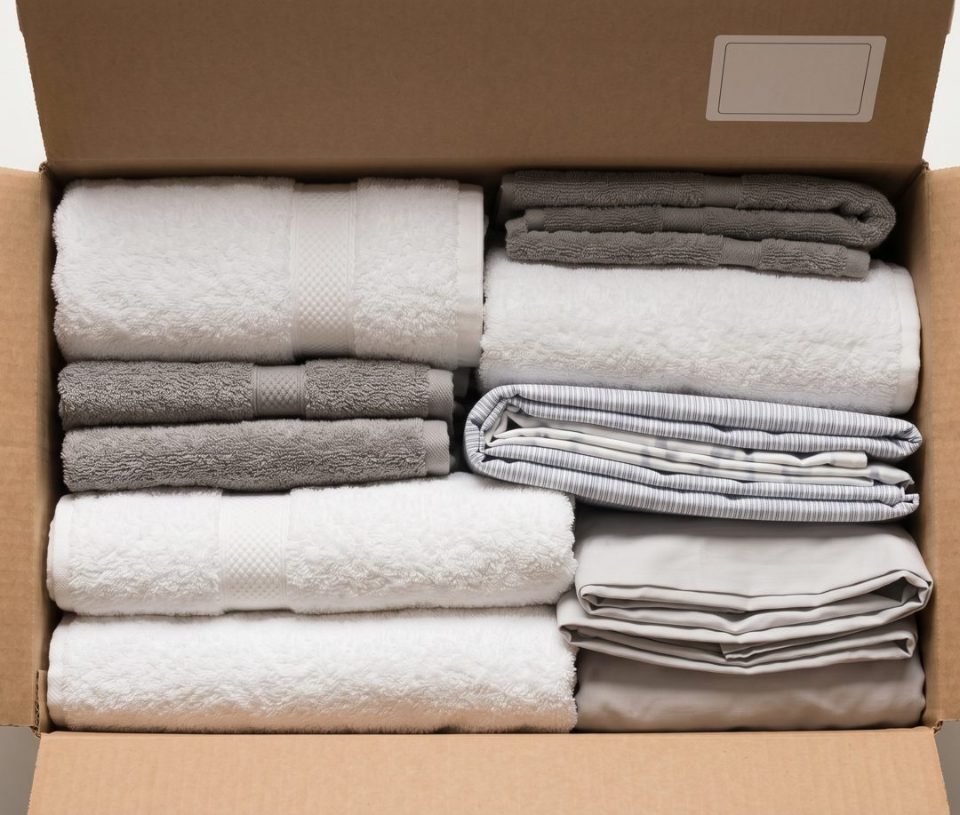
10 packing hacks for moving that actually save time
Not a hundred clever tricks, ten habits that pay off twice: once when you tape the box, and again on the other end when you need something out of it.
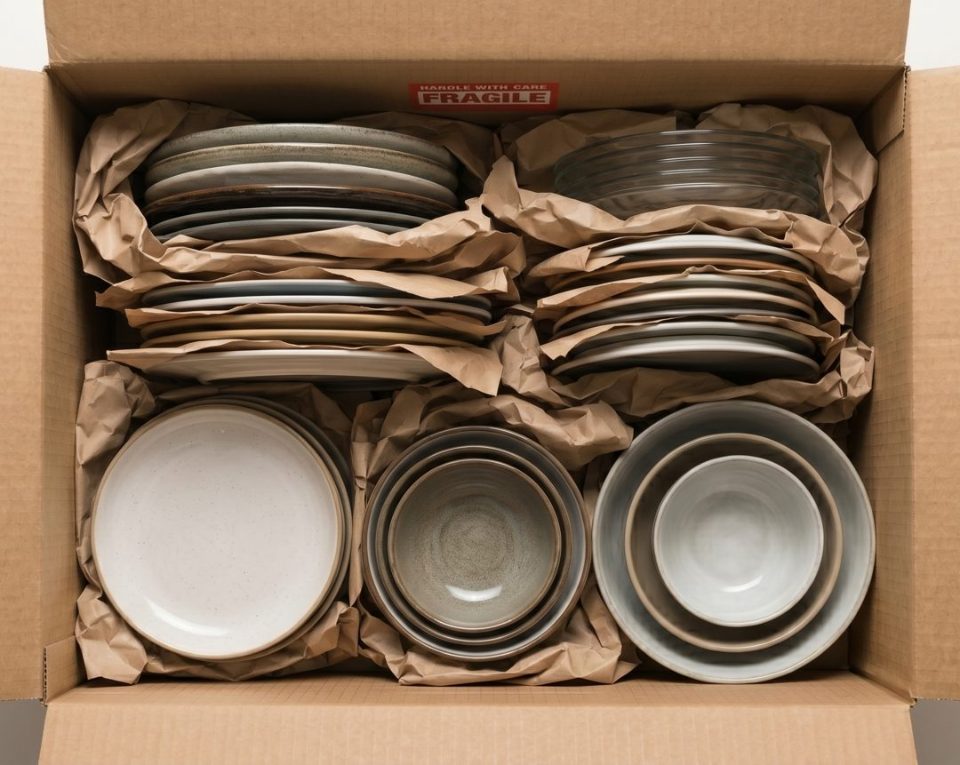
How to pack a kitchen for moving: dishes, glasses, knives and the fridge
The kitchen is the slowest room to pack and the first one you need back. Pack it in the right order, protect the fragile things properly, and leave out just enough to keep eating.

How many moving boxes do I need? Counts by home size
Start from a published estimate for your home size, get the mix of sizes right, then adjust for books, kitchens and how much you own. Here is how to do it without running out at 11 p.m.
The 6-week moving checklist that actually works
No 200-item spreadsheet: what matters each week, from booking the truck to the first-night box, plus the one habit that makes unpacking painless.