Moving week checklist: what to do each day, and on moving day itself
The last seven days decide whether moving day is long or awful. Here's what to do each day, what to sign on the day, and the walkthrough that catches what you'd otherwise leave behind.

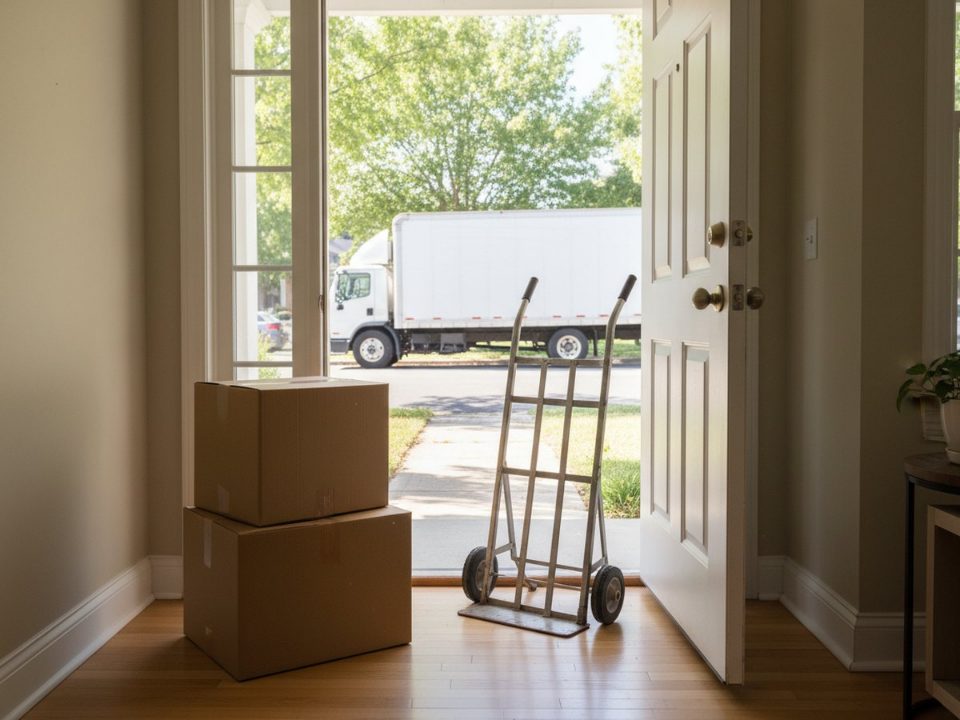
Most moving advice is about the six weeks before. The 6-week moving checklist covers that stretch: book the truck, declutter, pack the easy rooms. This post is about the last seven days, when the to-do list stops being "pack" and turns into a sequence of small deadlines that are easy to miss: the freezer that has to be empty, the mail that needs a week to reroute, the paperwork you sign once and need for nine months.
The ten steps run roughly in order, from a week out to the moment the truck pulls away. If you're still packing, start with our packing hacks.
Seven days out: confirm everything in writing
Call or email the moving company and confirm the date, arrival window, both addresses, the number of crew, and what the estimate covers. Get it in writing. The Federal Motor Carrier Safety Administration (FMCSA), which regulates interstate movers, tells consumers not to accept verbal estimates and to make sure the written estimate is signed by the mover. While you're at it, ask how to reach the driver during the move and when delivery is expected. If you're renting a truck instead, confirm the pickup time and size, and line up your helpers by name.
Forward your mail now, not on moving day
File a USPS change of address a week or more ahead. USPS says to allow at least 7 to 10 business days after your request is approved for forwarding to take effect, and online requests need an identity check. Standard forwarding lasts 12 months. The same evening, update the addresses that matter most: your bank, credit cards, insurance, employer, and the IRS (Form 8822 is the IRS's change-of-address form). Mail forwarding is a safety net, not a plan.
Schedule the utilities for both ends
Set the old home's power, water, gas and internet to stop the day after you leave, so you aren't packing in the dark. Set the new home's to start the day before you arrive. Internet installation slots fill up; book it early and note the appointment window. Write the account numbers in one place, because every utility will ask.
Five days out: eat down the fridge, then defrost
Plan meals around what's in the freezer and pantry. Two days before the move, unplug and defrost the freezer if it's coming with you (check the manual: most need to be empty, dry and propped open before transport). For the food you're keeping, the FDA's numbers are the guide: the fridge holds food safely at 40°F or below, and a full freezer keeps an adequate temperature for about 48 hours only if the door stays closed. On moving day that door will not stay closed, so a cooler is for a day's food, not a freezer's worth.
Four days out: pack the first-night boxes and the car
Pack one first-night box per person: meds, chargers, sheets, towels, toilet paper, a box cutter, snacks, coffee. Then set aside everything that rides with you rather than the truck: documents, IDs, keys, jewelry, laptops, medication, and the folder for the move itself.
Three days out: label rooms, not just boxes
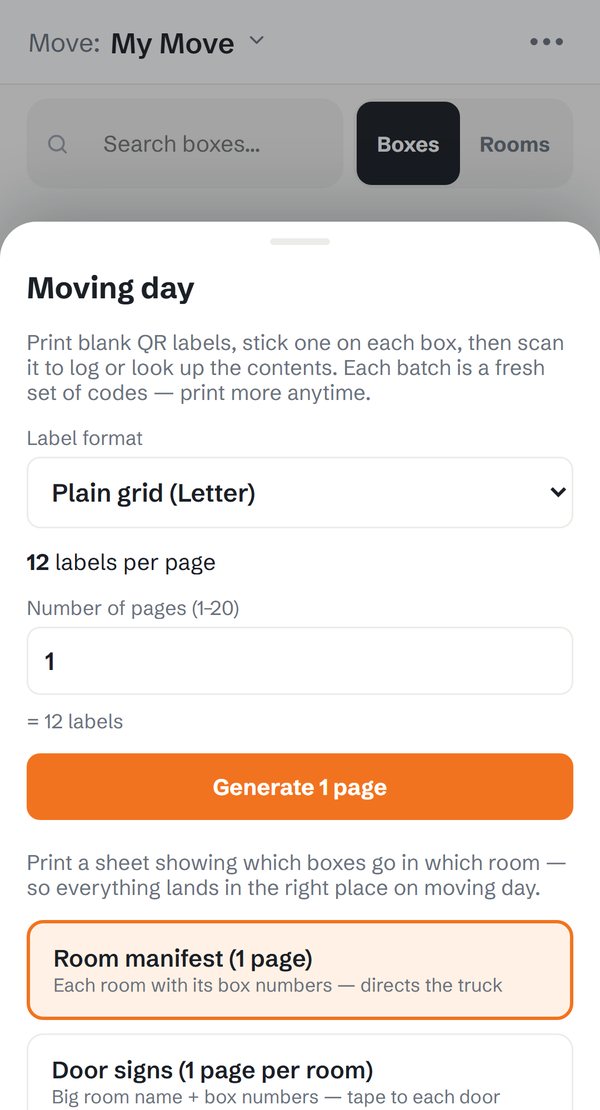
Make sure every box says which room it goes to, and print a sign for each room in the new home (KITCHEN, BEDROOM 2, OFFICE) to tape to the door frame. The crew can't read your mind at 4 p.m. on a hot afternoon; a sign on the door means boxes land where they'll be unpacked instead of in a pile in the living room.
The day before: clear the path and prep the rooms
Reserve the elevator or curb space if your building or street requires it. Take apart the beds you'll sleep in last (keep the hardware bag taped to the frame). Clear a path from every room to the door, roll up rugs, and set aside anything that isn't moving with a big DO NOT LOAD sign. Charge every phone and the battery pack. Get cash or a payment method ready if the contract calls for payment on delivery. Then go to bed early; you'll need it.
Moving day morning: walk the crew through, then stay
When the crew arrives, walk them through the house: what goes, what stays, what's fragile, what's heavy. Then stay. FMCSA's moving-day checklist asks you to accompany the movers as they inventory your household goods, be present to answer questions and give directions, and stay until they finish. Keep kids and pets out of the traffic; the ASPCA suggests a quiet room with the door shut for pets on moving day.
Read the inventory and bill of lading before you sign
With an interstate mover, you'll sign two documents that matter. The inventory lists every item and its condition; FMCSA says the mover must prepare it, usually at loading, must note any existing damage, and both of you sign each page. The bill of lading is the contract and your receipt; you should get a copy before the truck leaves. Read both. If the inventory says "scratched" on a table that isn't, say so before you sign. Keep the bill of lading until your things are delivered, the charges are paid and any claim is settled; FMCSA gives you nine months after delivery to file a written claim for loss or damage.
The final walkthrough, then go
Before the truck leaves, walk every room one last time: closets, cabinets, the dishwasher, the dryer, the attic hatch, the garage shelf, behind doors. FMCSA's checklist makes this the last moving-day task for a reason. Photograph each empty room (useful for a deposit or a buyer's walkthrough), check that windows are latched and taps are off, leave the keys where you agreed, and give the driver directions to the new address.
How MoveBuddy helps on moving day
- Labels and door signs. Print QR box labels, a room manifest for the crew, and a sign for each room with its box numbers.
- Hands-free answers. Ask "where does box 4 go?" and the app says the room out loud.
- Search instead of digging. Every box you snapped is searchable by what's in it, from "passport" to "kettle".
- One move, many helpers. Share by QR or a join code that rotates every 15 minutes, so friends can help without your password.
Free to start on iPhone and Android: your first boxes and AI snaps are on us, and you only pick a move pack when the real packing begins.
The moving week checklist
Print it, stick it on the bin, tick it off. One page.
- 7 days: mover or truck confirmed in writing (date, window, addresses, crew, driver contact)
- 7 days: USPS change of address filed; bank, cards, insurance, employer, IRS updated
- Utilities: old place off the day after, new place on the day before; internet booked
- 5 days: eat down the fridge and freezer; defrost the freezer 1–2 days before
- 4 days: first-night box per person packed; documents, keys, meds, valuables set aside for the car
- 3 days: every box has a room; door signs printed for the new place
- Day before: elevator or parking reserved, beds apart, path clear, devices charged
- Moving day: walk the crew through; stay on site until loading is done
- Inventory and bill of lading read before signing; copy kept
- Pets and kids in a quiet room, away from the door traffic
- Final walkthrough of every closet, cabinet and appliance; empty rooms photographed
- Keys handed over, directions given to the driver
From “Moving week checklist: what to do each day, and on moving day itself” — https://movebuddy-ai.com/blog/moving-week-checklist · MoveBuddy AI
Questions people ask
What should I do the day before moving?
Defrost the freezer if it's moving, pack the first-night boxes and the car, take apart the beds, clear a path to the door, reserve the elevator or parking, charge every device and set aside anything that isn't going.
How far in advance should I change my address with USPS?
At least a week or two. USPS says to allow 7 to 10 business days after your request is approved for forwarding to start, and you pick the start date for forwarding when you file.
What is a bill of lading?
The contract between you and an interstate mover and the receipt for your belongings. You should get a copy before the truck leaves your home. Keep it until delivery is complete, charges are paid and any claims are settled.
Do I need to be home while the movers pack and load?
Yes, or have someone you trust there. FMCSA's moving-day checklist asks you to accompany the movers as they inventory your belongings and stay until they finish.
How long do I have to file a moving damage claim?
For interstate moves, FMCSA says you must file a written claim with the mover within nine months of delivery.
Sources & further reading
- FMCSA, Moving Checklist: accompany the movers during inventory, stay until they finish, final look through the house, keep the bill of lading.
- FMCSA, Tips for a Successful Move: written signed estimates, what the bill of lading and inventory are.
- FMCSA, What if there are problems?: written claims within 9 months of delivery.
- USPS, Standard Forward Mail & Change of Address: allow 7–10 business days; forwarding lasts 12 months.
- Internal Revenue Service, About Form 8822, Change of Address: notifying the IRS of a new home mailing address.
- U.S. Food and Drug Administration, Are You Storing Food Safely?: fridge at or below 40°F; a full, closed freezer holds about 48 hours.
- ASPCA, Moving With Your Pet: pets in a quiet room with the door shut on moving day.
Keep reading
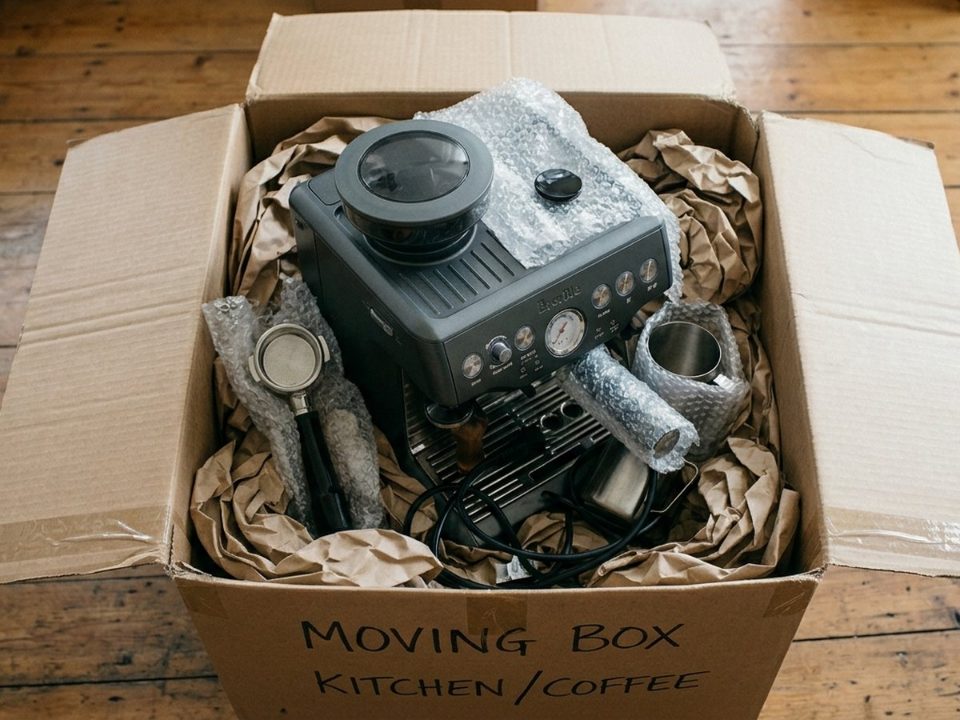
The first-night box: what to pack so night one isn't a scavenger hunt
One box per person, packed last, loaded last and carried in by you. Everything you need from the moment the truck leaves until you're ready to unpack the rest.
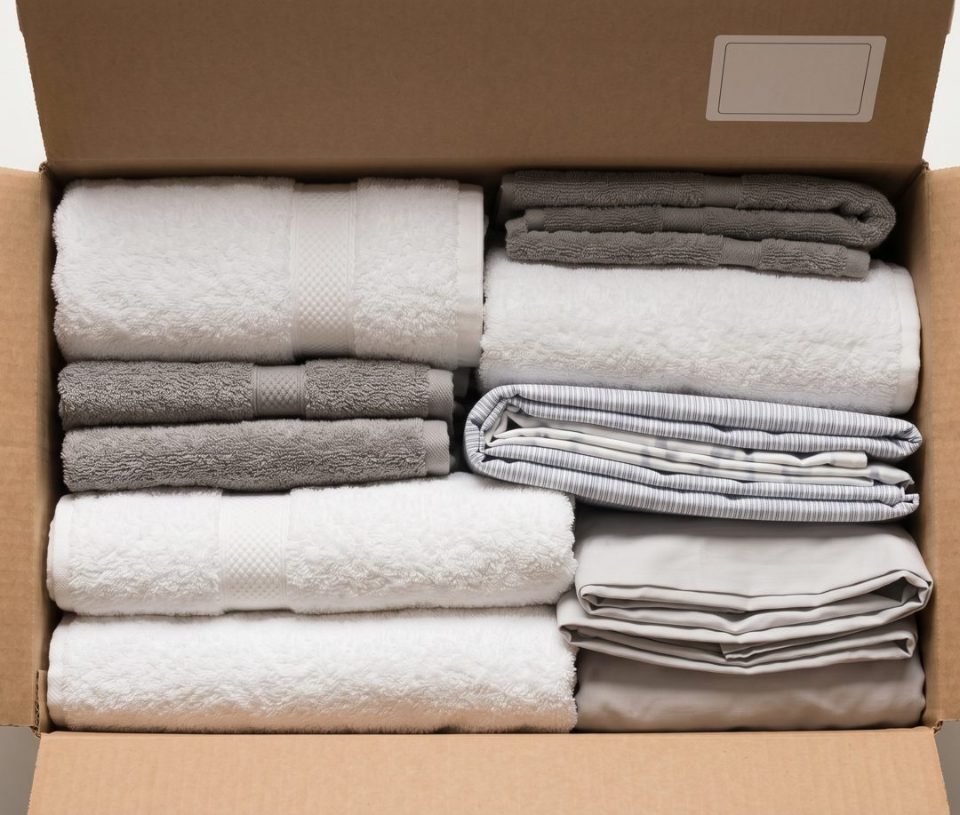
10 packing hacks for moving that actually save time
Not a hundred clever tricks, ten habits that pay off twice: once when you tape the box, and again on the other end when you need something out of it.
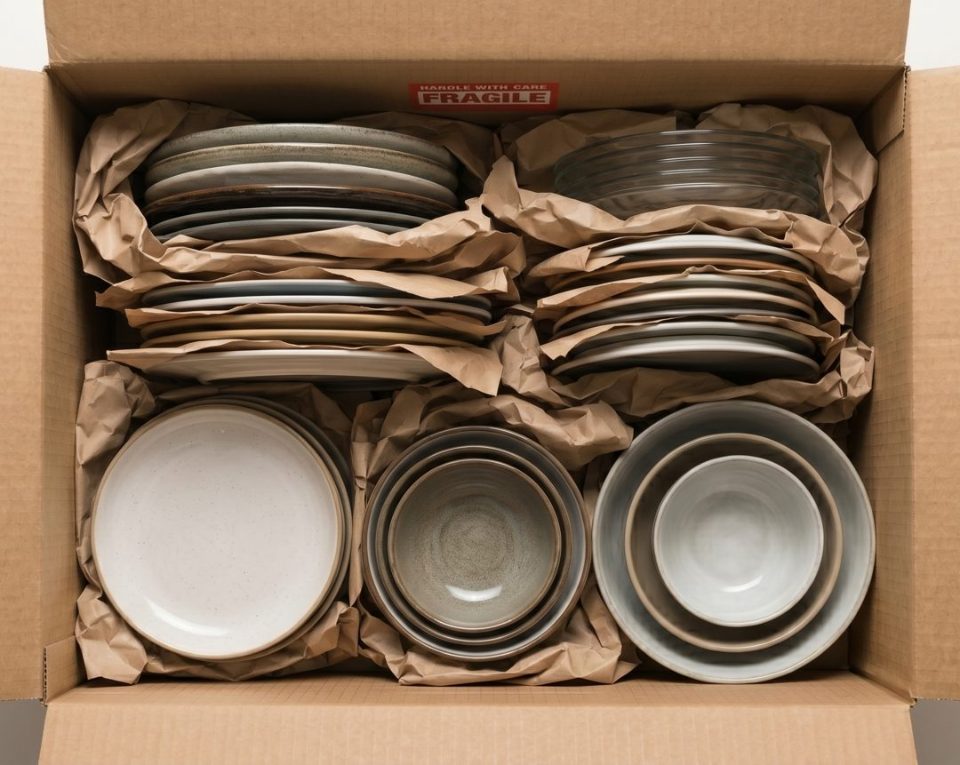
How to pack a kitchen for moving: dishes, glasses, knives and the fridge
The kitchen is the slowest room to pack and the first one you need back. Pack it in the right order, protect the fragile things properly, and leave out just enough to keep eating.
The 6-week moving checklist that actually works
No 200-item spreadsheet: what matters each week, from booking the truck to the first-night box, plus the one habit that makes unpacking painless.